

Dr. Lynda Frassetto of the University of California, San Francisco says, “Insufficient amount of bicarbonates in our blood reduces our capabilities to manage (neutralize and dump) the acid our body produces. This is the cause of aging. The age of 45 is the average age when human beings start to show symptoms of diabetes, hypertension, osteoporosis, and many other adult degenerative diseases. And since we cannot manage acid, we accumulate acidic waste products in our bodies. These wastes show up as cholesterol, fatty acid, uric acid, urate, sulfate, phosphate, kidney stones, etc.”
The most important function of alkaline water is to increase bicarbonates in the blood because we lose bicarbonates as we age. A change in pH causes the stomach to produce hydrochloric acid, which is secreted into the stomach, while bicarbonate ions enter the bloodstream. When we say we alkalize our body, we do not necessarily mean increasing the pH of our saliva or urine; we mean increasing the bicarbonate in our blood. The blood pH does not change, but the ability of our blood to neutralize acid in the body increases quite dramatically.
Increasing carbon dioxide inhibits lactic acid formation, thereby helping
control systemic acidification and oxygen utilization. CO2 has been
found to improve the coordination of oxidation and phosphorylation
and to increase the rate of phosphorylation in liver mitochondria.
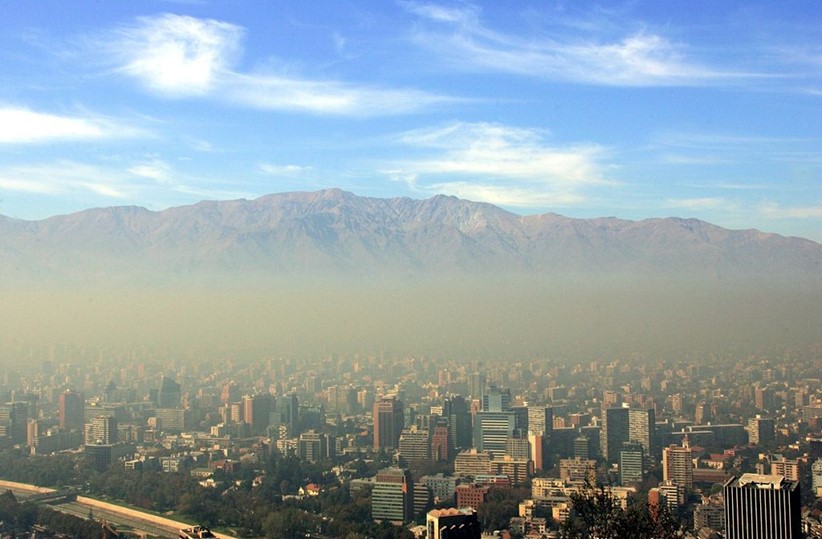
In the January/February 2003 issue of the American Industrial Hygiene Association Journal, Dr. Gospodinka R. Pradova published the results of a 10-year study of industrial pollution in Bulgaria. The study compares two groups of people in a plastic manufacturing plant: one group working in the plant with chemical pollution, the other in the non-polluted office environment of the same company. The conclusion shows that people living/working in a polluted environment have lower blood bicarbonate levels than those working in a clean environment. Therefore, if you are a city dweller with moderate air pollution, it is advisable to raise your blood bicarbonate levels.
Even short-term exposure, just five days of exposure
to air pollution, may raise the risk of stroke.
Dr. Lynda Frassetto’s insights change everything, turning modern medicine on its heels. “Insufficient bicarbonate reduces our capacity to neutralize acid—this is the cause of aging.” As natural bicarbonate reserves fall after 40, acid residues—urate, sulfate, phosphate—accumulate in tissues, stiffening the arteries and dulling mitochondrial metabolism.
One recent study found air pollution was responsible for 1 million stillbirths a year. Another is that young people living in cities already have billions of toxic air pollution particles in their hearts.
CBS News reported that new estimates from researchers published in the journal JAMA Internal Medicine showed that annually, nearly 188,000 dementia cases in the U.S. may have been caused by air pollution. It indicated exposure to pollution from wildfires and agriculture as having the most robust links to increasing a person’s risk of Alzheimer’s disease and other types of dementia later in life.
The Bicarbonate Buffer System: The Link Between CO2 and Bicarbonate
Carbon dioxide (CO2) and bicarbonate (HCO3⁻) are intimately connected through one of the body’s primary pH-buffering systems, the bicarbonate buffer system (also known as the carbonic acid-bicarbonate buffer). This dynamic equilibrium helps maintain blood pH between 7.35 and 7.45, preventing acidosis or alkalosis from metabolic or respiratory changes. It’s the most critical extracellular buffer, accounting for ~75% of blood’s buffering capacity, and it plays a crucial role in respiration, kidney function, and overall acid-base homeostasis.
At its core, the relationship is a reversible chemical reaction mediated by the enzyme carbonic anhydrase (abundant in red blood cells and kidneys). CO2, produced as a metabolic waste from cells, dissolves in blood plasma and reacts with water (H2O) to form carbonic acid (H2CO3), which quickly dissociates into bicarbonate (HCO3⁻) and hydrogen ions (H⁺). This process allows CO2 to be transported efficiently in blood (~70% as bicarbonate, 20-30% dissolved, and 5-10% bound to hemoglobin).
Medical Miracles With Bicarbonate and CO2 Medicine

The weight of evidence from wildlife biologists, toxicologists,
and epidemiologists indicate that the world’s populations are
exposed to excessive levels of chemical contaminants and heavy metals.
There are three ways to replenish your bicarbonate/CO2 levels. The slower you breathe, the more carbon dioxide levels increase, and conversely, the faster you breathe, the sooner you die. You can consume sodium, potassium, and magnesium bicarbonates to increase both CO2 and bicarbonate levels in the blood. You can take CO2 baths (yummy with magnesium), and you can breathe carbogen, which is direct inhalation of CO2 gas.
And, of course, physical activity increases CO2 production by up to 6-fold. That is probably the main reason why we feel so good when we move our bodies. That is why exercise is so healthy and necessary. The more CO2, the more oxygen one gobbles up.
From ancient practices to modern medical breakthroughs, carbon dioxide has been quietly revolutionizing treatments for centuries. Whether relieving pain, healing wounds, or addressing conditions like dysentery and tuberculosis, the evidence is undeniable: CO2 is a powerful, natural medicine. Discover the wisdom of great minds like Paracelsus and Van Belmont, who pioneered the use of this remarkable gas, and learn how it has been used to treat everything from scurvy to cancer.
Key benefits of CO2 therapy
Dysentery: Carbon dioxide has shown potential for treating dysentery, alleviating symptoms such as pain and inflammation in the digestive tract.
Asthma: Carbon dioxide has been successfully used to treat asthma, providing relief from breathlessness by reducing respiratory strain.
Improved Circulation: CO2 baths have been documented to improve circulation, which can alleviate conditions like rheumatism and certain types of paralysis.
Pain Relief in Ulcers: CO2 gas has analgesic effects, helping relieve pain in conditions like cancerous ulcers and reducing inflammation.
Whooping Cough: Carbon dioxide has shown effectiveness in managing respiratory issues like whooping cough, reducing the frequency of coughing fits.
Gynecological Disorders: Carbon dioxide gas has been used to treat gynecological conditions such as dysmenorrhea, providing relief from menstrual pain.
Post-Surgical Healing: CO2 gas supports post-surgical recovery by enhancing circulation to affected areas.
Rectal Fistula: The book outlines how carbon dioxide can be applied to treat rectal fistulas effectively without invasive surgery.
Respiratory Benefits: CO2 inhalations have been found beneficial for conditions such as emphysema and chronic bronchitis, easing breathing and reducing respiratory distress.
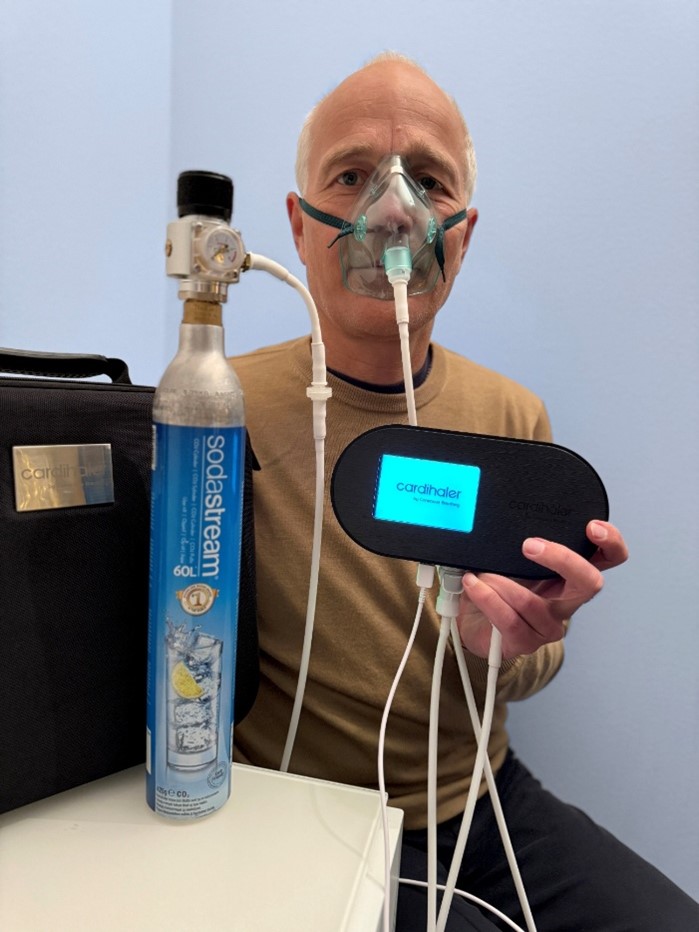
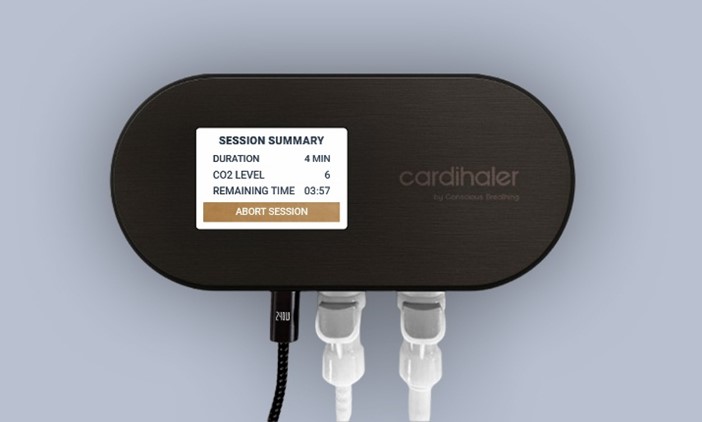
I want to announce a new carbon dioxide inhalation machine that is excellent, sleek, and quiet. It is also the only one that has an attachment to make foot and full baths full of carbon dioxide, very healthy! The attachment cables are top-notch. Three days and I am in love with this machine.
It is called the Cardihaler, and it’s a modern tool designed to make the well-known benefits of CO₂ therapy simple, precise, and accessible. The Cardihaler delivers a stable, finely regulated CO₂ flow in a quiet, compact form. It’s a noticeable difference from the carbon dioxide inhaler I have been using.
It runs on USB-C power — even from a portable power bank — and its touchscreen makes adjustments clear and intuitive. With 20 gentle-to-dynamic levels, it allows each person to find the intensity that feels right for them, whether they are sensitive beginners or experienced users.
An integrated particle filter ensures smooth, clean inhalation. A unique addition is the ability to connect the Cardistone for CO₂ foot, hands, or face baths — a method long valued for enhancing circulation and relaxation through transdermal absorption. In 2026, there will be more options, like a Cardisleeve (a long and short bag filled with CO2 for legs and arms). A Cardihat (will come in two sizes, Medium and Large), to put on the head and fill it with CO2. And Cardisense (plugs and goggles for delivering CO2 to the ears, eyes, or both).
Taken together, the new Cardihaler brings precision and ease to an area of therapy that has historically been difficult to access, offering a calm, reliable way to support the body’s natural capacity for balance and recovery, and completes the three primary gases in Hydrogen Medicine, which tells us to combine hydrogen with oxygen and carbon dioxide.
Conclusion
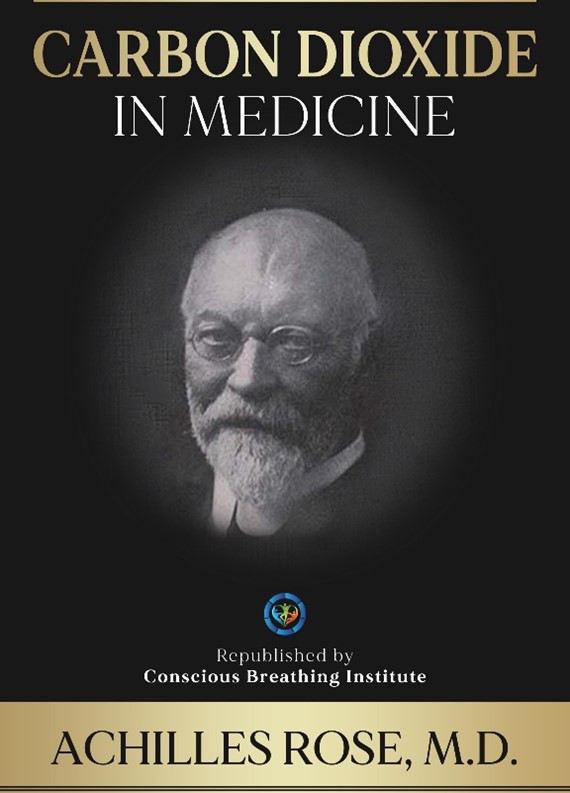
“The end product of respiration is carbon dioxide, and it is an essential component of the life process. The ability to produce and retain enough carbon dioxide is as important for longevity as the ability to conserve enough heat to allow chemical reactions to occur as needed. Carbon dioxide protects cells in many ways. By binding to amino groups, it can inhibit the glycation of proteins during oxidative stress and limit the formation of free radicals in the blood; inhibition of xanthine oxidase is one mechanism (Shibata et al., 1998). It can reduce inflammation caused by endotoxin/LPS by lowering the production of tumor necrosis factor, IL-8, and other pro-inflammatory mediators (Shimotakahara et al., 2008). It protects mitochondria (Lavani et al., 2007), maintaining (or even increasing) their ability to respire during stress,” wrote Dr. Ray Peat.
CO₂ therapy has long been valued for improving circulation, reducing inflammation, and supporting the body’s bicarbonate buffer system. Gentle increases in CO₂ can enhance oxygen delivery (via the Bohr Effect), calm the nervous system, and restore a smoother, more efficient breathing rhythm — benefits well documented in both historical and modern research.
Dr.Sircus is a reader-supported publication. To receive new posts and support my work, consider becoming a free or paid subscriber.
Subscribe now

comments