

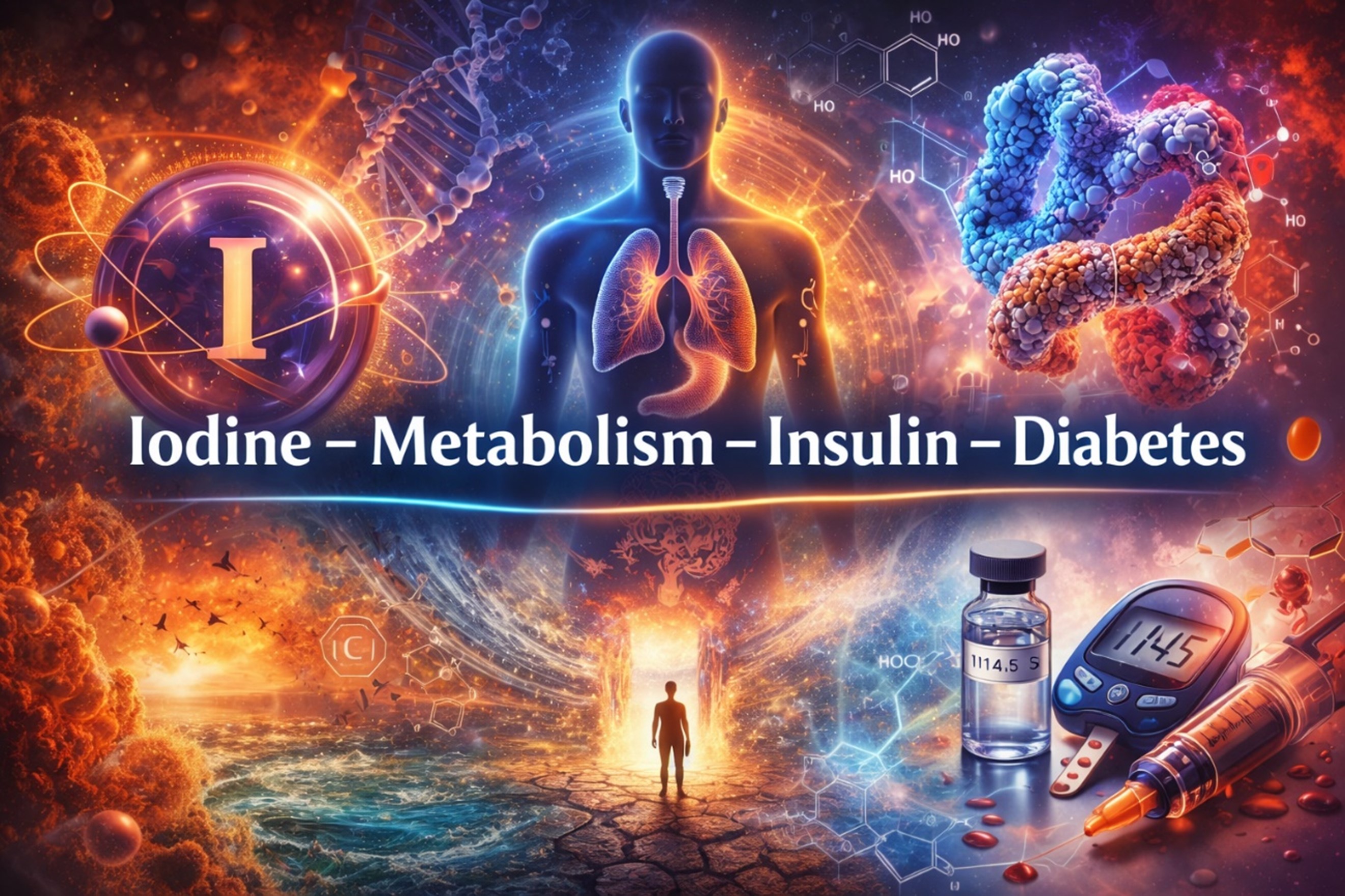
Iodine’s role in human physiology is profound and far-reaching, yet modern medicine has largely reduced its discussion to the narrow question of goiter prevention. In reality, Iodine is a master regulatory element that shapes thyroid hormone metabolism, insulin sensitivity, mitochondrial function, and even cellular detoxification.
According to Dr. Stephen A. Hoption Cann, Department of Health Care and Epidemiology, University of British Columbia, “Iodine deficiency can have deleterious effects on the cardiovascular system, and correspondingly, a higher iodine intake may benefit cardiovascular function.”
Every cell in the body relies on a baseline level of thyroid activity to determine how much energy to produce, how quickly to burn fuel, and how efficiently to clear metabolic waste. Without adequate Iodine, thyroid hormones cannot be synthesized or activated, and the whole metabolic orchestra begins to play off-key.
Mitochondria slow down, oxygen utilization drops, and cells shift toward glycolysis—burning sugar crudely instead of oxidizing it cleanly. This transition sets the stage for fatigue, obesity, and the glucose intolerance that matures into diabetes. Then on to cancer.
The thyroid is not the only tissue that depends on Iodine. Significant concentrations are found in the pancreas, breast, prostate, and the salivary glands, all of which use the same sodium‑iodide symporter that feeds the thyroid.
In the pancreas, Iodine is particularly valuable because it protects the insulin-producing beta cells from oxidative stress, the very pressure that drives their premature failure in diabetes. Iodine also supports these cells indirectly by affecting thyroid hormone levels: triiodothyronine (T₃) enhances transcription of insulin receptor genes and increases the ability of muscle and adipose tissue to take up glucose.
When Iodine runs low, thyroid hormones fall, insulin receptors become less responsive, and the body must produce more insulin to achieve the same effect—creating the biochemical signature of metabolic syndrome long before blood sugar rises.
Deficiency triggers a downward spiral involving magnesium and the thyroid. With insufficient Iodine, less T₃ is converted from T₄, the mitochondria generate less ATP, and magnesium-dependent enzymes begin to lose strength. Reduced magnesium, in turn, worsens insulin resistance, increases inflammation, and further weakens thyroid hormone activation. The metabolic thermostat is essentially dialed down, encouraging weight gain even on moderate calories, and generating the fatigue, fog, and persistent chill that so often accompany metabolic decline.
Iodine also functions as a direct antioxidant. In its molecular and ionic forms, it can donate electrons and neutralize reactive oxygen species, protecting lipids and proteins from oxidative damage. This is why iodine-sufficient tissues show lower levels of lipid peroxidation, a process that contributes to atherosclerosis and pancreatic cell death. Adequate Iodine helps regenerate the body’s own antioxidants, such as glutathione and vitamin C, thereby enhancing its ability to quiet chronic oxidative stress and improve metabolic efficiency.
Epidemiologically, people living in iodine-poor regions display higher rates of insulin resistance, fatty‑liver disease, and obesity. Restoring Iodine, especially when balanced with selenium for thyroid protection and magnesium for enzyme stability, often improves fasting insulin levels, lipid profiles, and body temperature within weeks or months.
By reestablishing normal thyroid function, Iodine reawakens mitochondrial respiration, allowing glucose and fatty acids to be burned entirely rather than partially metabolized into inflammatory byproducts. In this way, Iodine is less a supplement and more a metabolic switch—flipping the body back into its natural state of oxidative balance.
Its benefits reach the cardiovascular system as well. Thyroid hormones, stimulated by proper iodine intake, increase the activity of lipoprotein lipase, the enzyme that clears triglycerides from the bloodstream, and reduce the oxidation of LDL cholesterol. Historical comparisons are striking: populations such as coastal Japanese communities, whose diets contain high levels of marine Iodine, have traditionally exhibited lower rates of atherosclerosis despite high salt and caloric intake. Their advantage likely lies not in genetics but in chemistry—the metabolic resiliency conferred by iodine sufficiency.
Ultimately, metabolism is governed less by calories than by the availability of key elements and the electrons they move within our cells. Iodine is one of those essential conductors. When it is present in balance with magnesium, selenium, and bicarbonate, the entire system hums with coherence: energy production is efficient, detoxification effortless, and insulin sensitivity natural instead of strained. When it is absent, energy disperses into discord, and the chronic illnesses of our time—obesity, diabetes, and cardiovascular degeneration—follow in its wake.
Dr. David Brownstein’s Perspective
Dr. David Brownstein, a holistic family physician and author of “Iodine: Why You Need It, Why You Can’t Live Without It” (now in its 5th edition), knows more about Iodine than anyone on the planet, argues that iodine deficiency is far more widespread than mainstream estimates suggest, even in developed countries like the US, due to declining soil iodine, reduced salt intake from processed foods, and competition from environmental halogens (bromide, fluoride, chloride). He claims over 90% of his patients test deficient via 24-hour urine loading tests and advocates high-dose supplementation (12.5–50 mg daily of Lugol’s solution or iodoral, far above the RDA of 150 mcg), asserting it resolves thyroid issues, fibromyalgia, cysts, and even prevents breast/prostate cancers by detoxifying halogens and supporting hormone balance.
Brownstein emphasizes whole-body iodine sufficiency beyond thyroid health, warning that low levels impair detoxification and immune function, and criticizes conventional medicine for under-testing and fear of iodine “toxicity” (e.g., Wolff-Chaikoff effect), which he views as transient. His work, based on clinical experience with thousands of patients, has influenced alternative health circles but draws criticism from mainstream sources for lacking large RCTs and potential risks like hyperthyroidism.
Mainstream View
Iodine deficiency remains a significant global public health issue, defined as insufficient intake of Iodine, an essential micronutrient that regulates metabolism, growth, and development. Causes include low dietary Iodine from soil-depleted regions, inadequate use of iodized salt, and exposure to goitrogens (substances such as bromide, fluoride, or perchlorate that interfere with iodine uptake). The World Health Organization (WHO) estimates that 1.9–2.2 billion people worldwide are at risk, and that figure is probably very conservative.
What Others Have to Say
Dr. Michael Donaldson says, “Iodine stabilizes the heart rhythm, lowers serum cholesterol, lowers blood pressure, and is known to make the blood thinner as well, judging by longer clotting times seen by clinicians Iodine is not only good for the cardiovascular system, but it is vital. Sufficient Iodine is needed for a stable rhythmic heartbeat. Iodine, directly or indirectly, can normalize serum cholesterol levels and blood pressure. Iodine attaches to insulin receptors and improves glucose metabolism. Iodine and iodine-rich foods have long been used as a treatment for hypertension and cardiovascular disease; yet, modern randomized studies examining the effects of Iodine on cardiovascular disease have not been carried out.”
Dr. Guy Abraham, a former UCLA professor and pioneer in iodine research, collaborated with Brownstein and Dr. Jorge Flechas (an orthomolecular physician) in the “Iodine Project,” proposing that optimal intake is 12.5 mg daily (100 times the RDA) for whole-body health, based on Japanese dietary patterns (high seaweed consumption) showing low cancer rates.
Just to give you an idea of how high iodine dosages have been in the past, we have to revisit the 1930s, when Iodine was still a universal medicine, present in the US Pharmacopeia, and used at much higher dosages than anyone even dreams of using today. The usual dose for treatment was 300 mgs (46 drops of full-strength Lugol’s) to 1 gm (1000 mg, 154 drops).
Dr. David Brownstein says, “Of all the elements known so far to be essential for human health, Iodine is the most misunderstood and the most feared. Yet, Iodine is the safest of all the essential trace elements, being the only one that can be administered safely for long periods of time to large numbers of patients in daily amounts as high as 100,000 times the RDA.” The current US daily recommended allowance (RDA) for Iodine is set at 150 mcg for non-pregnant adults.
Dr. Michael B. Schachter says, “The treatment dose when a person is Iodine insufficient is generally between 12.5 mg and 50 mg daily. Preliminary research indicates that if a person is Iodine insufficient, it takes about 3 months to become Iodine sufficient with a daily dosage of 50 mg of Iodine, and a year with a daily dosage of 12.5 mg of Iodine.
Dr. Elizabeth Bright, an endocrinologist, highlights Iodine’s role in thyroid function on high-fat diets and criticizes modern low-iodine trends that exacerbate deficiencies. Pharmacist Suzy Cohen and dentist Dr. Steven Lin warn of deficiencies in children that affect cognitive development and dental health, and recommend testing and natural sources like seafood. Mainstream experts like Dr. Elizabeth Pearce (Boston University) focus on historical prevention via iodization, but does not tell anyone that Iodine in salt evaporates extraordinarily quickly because it is highly volatile.
The Halogen War (Bromide, Fluoride, Perchlorate)
Most writings on iodine deficiency ignore the competitive displacement of Iodine by its chemical cousins — bromide, fluoride, chlorine, and perchlorate — halogens that bind to the same transport receptors without providing any metabolic benefit. A judge recently forced the EPA to issue warnings about perchlorate, which has contaminated groundwater in more than a few places in the United States.
- Bromide (brominated flour, pesticides, mattresses, soft drinks)
- Fluoride (water, dental products, some pharmaceuticals)
- Chlorine and perchlorate (water disinfectants, jet fuel residues)
All four compete with the sodium–iodide symporter (NIS), blocking iodine uptake and inducing functional iodine deficiency even when intake is technically adequate.
Bromide is especially problematic because:
- It accumulates in the brain, ovary, breast, and thyroid
- It is a neurotoxin
- It induces irritability, cognitive fog, and mood disturbance
- It increases thyroid autoimmunity
- It displaces Iodine in lactating breasts, lowering Iodine in breast milk
This chemical displacement explains why iodized salt didn’t solve the problem: the battlefield changed. We live in an environment where the wrong halogens outnumber Iodine by orders of magnitude.
The Thyroid–Liver Axis
Another metabolic layer rarely discussed is the liver’s role in thyroid activation.
- T₄ → T₃ conversion occurs mainly in the liver, requiring:
- selenium,
- magnesium,
- B₂/B₃/B₆,
- and glutathione.
When the liver is burdened by fatty liver, alcohol, chemical toxins, or nutritional deficiencies, conversion rates drop. Low T₃ slows:
- fat burning
- cholesterol clearance
- detoxification
- bile formation
- insulin sensitivity
So iodine deficiency doesn’t act alone — it pushes the system toward fatty liver, which then reduces T₃ and worsens insulin resistance. This thyroid–liver loop is a missing link between:
- iodine
- NAFLD (Non-Alcoholic Fatty Liver Disease)
- diabetes
- metabolic syndrome
Given that over 35% of US adults now have NAFLD, the thyroid–Iodine–insulin triangle becomes even more relevant.
β-Cell Apoptosis & Autoimmunity
Pancreatic β-cells are uniquely vulnerable because they express low levels of antioxidant enzymes (catalase, GPx, SOD). Any increase in ROS accelerates:
- β-cell apoptosis
- autoimmune targeting (T1)
- glucotoxicity (T2)
Iodine protects β-cells not only by reducing oxidative damage but also through its direct antimicrobial and antiviral effects, which may lower viral triggers suspected in Type 1 diabetes (Coxsackie B and enteroviruses).
This is where the immune dimension enters the iodine conversation, linking Iodine to:
- Hashimoto’s
- Type 1 diabetes
- viral myocarditis
- autoimmune endocrinopathies
Mainstream endocrinology never integrates this, because it still treats autoimmune diabetes as genetically inevitable rather than environmentally mediated.
Iodine Uncovered

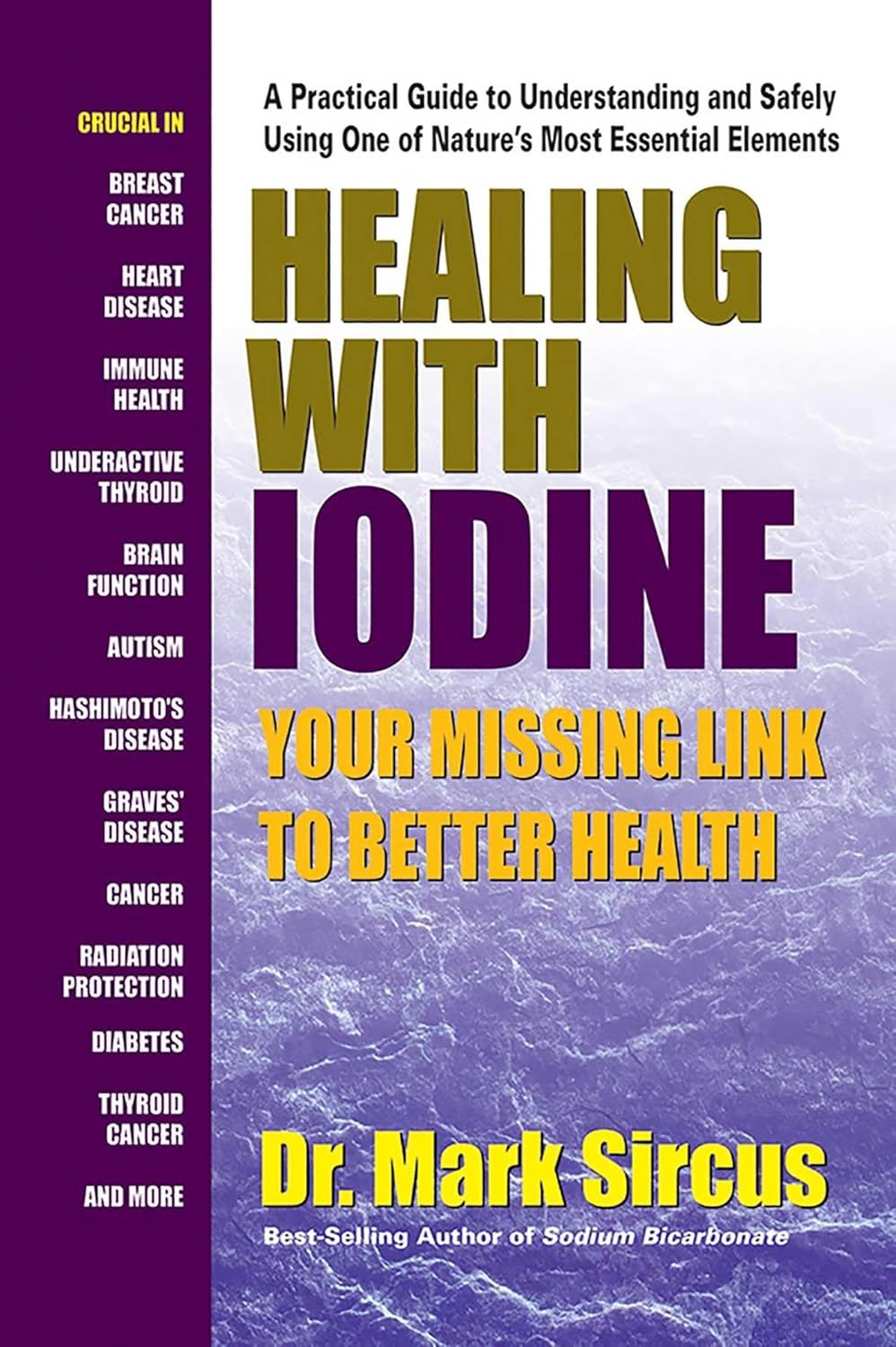
There’s a lot of noise out there about health, healing, and medicine. Iodine is drowned in the chaos, so doctors forget it’s an essential medicine. You’ve probably tried countless remedies, treatments, or diets, only to feel like you’re going in circles. You might feel stuck, frustrated, and unsure of what to do or what will really work. That is why going back to basics makes sense, covering the essentials of life as medicines.
Conclusion
Iodine is not a trace mineral — it is a metabolic signal. It tells the body how much energy to produce, how warm to run, how efficiently to use insulin, and how aggressively to defend against oxidation and infection. When Iodine disappears, the modern diseases appear: the cold body, the slow mitochondria, the resistant insulin, the tired liver, the inflamed pancreas, the expanding waist, and the shrinking life. The solution begins not with pharmaceuticals, but with restoring the elemental inputs biology has depended upon since the beginning.
Iodine is necessary for the proper function of many of the body’s tissues, including the breasts, pancreas, brain, stomach, adrenal glands, skin, salivary glands, and cerebrospinal fluid. Iodine deficiency can lead to a dysfunction of these tissues and cause symptoms such as dry mouth, dry skin, reduced alertness, brain fog, fibromyalgia, fibrocystic breasts, and many others. Some studies have shown that iodine deficiency leads to a higher risk of developing various cancers, especially of the breast, prostate, and ovaries.
The National Health and Nutrition Survey conducted by the CDC showed that iodine levels have fallen by more than 50% over the last 30 years. In 1940, the average American got 800 micrograms of Iodine in their diet. In 1995, we averaged 135 micrograms, an 83% decline! The Japanese consume 89 times more iodine than Americans, due to their daily consumption of sea vegetables, and they have reduced rates of many chronic diseases, including the lowest rates of cancer in the world.
Dr.Sircus is a reader-supported publication. To receive new posts and support my work, consider becoming a free or paid subscriber.
Subscribe now

comments