


One reason hospitals are so dangerous is that they leave carbon dioxide out of their protocols, except for a few types of surgery, making their oxygen use not only riskier but less effective. Surgeons pump CO₂ into the abdominal cavity to create working space and improve visibility. This is called CO₂ insufflation or a CO₂ pneumoperitoneum. It is used in procedures involving the gallbladder, colon, reproductive organs, and other abdominal structures.
Carbon dioxide dementia, sadly for patients, has even reached hospitals, and the costs are high. They not only forgot to use Carbogen (95% oxygen, 5% carbon dioxide), but in liberal Scotland, Queen Elizabeth University Hospital was designed to cut energy consumption and carbon emissions. These savings resulted in patient ventilation being cut by more than half. Not a good idea for patients.
NHS guidance calls for six fresh air changes per hour in general wards. Yet the Glasgow hospital, opened in 2015, was designed to deliver just 2.5 air changes per hour in standard single-patient rooms. The stated justification was “energy efficiency.” Fresh air is essential for diluting airborne pathogens, particularly in rooms housing vulnerable patients.
Healthcare ventilation engineer Andrew Poplett, who audited the hospital, told The Times that environmental considerations appeared to have taken priority over clinical requirements. The hospital has since suffered serious, repeated infection outbreaks, with seven patient deaths now under criminal investigation. Hospitals are supposed to save lives, not carbon. They are supposed to use carbon dioxide; they used to, but forgot about it decades ago. Big mistake, a huge one, because carbon dioxide was one of their best medical gases; it’s key to releasing more oxygen into cells.
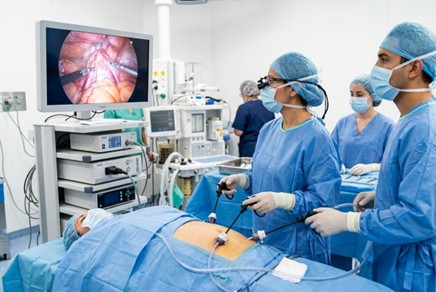
CO₂ expands the intestine for better visualization. It is absorbed more quickly than room air, often reducing postprocedural abdominal discomfort and bloating. A meta-analysis of 21 randomized trials found less postprocedural pain with CO₂ insufflation.
Oxygen Is Only Half the Equation
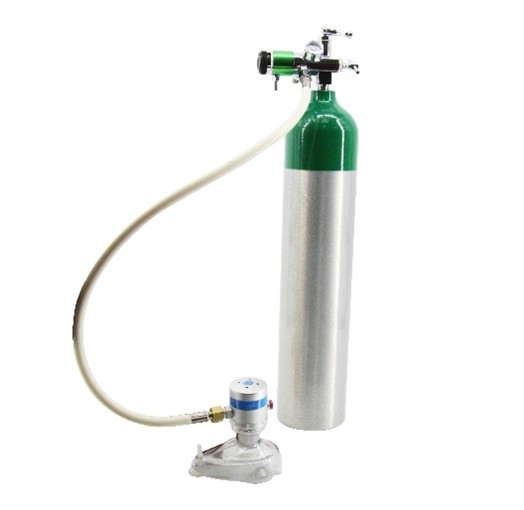
Carbon Dioxide inhalation is different from insufflation. Researchers have investigated carbogen for retinal artery occlusion and other specialized applications, partly because CO₂ can influence circulation and counter some effects of oxygen-induced vasoconstriction.
The Bohr effect describes how higher local CO₂ and lower pH generally encourage hemoglobin to release oxygen. Conversely, low CO₂ and higher pH can increase hemoglobin’s affinity for oxygen, meaning red blood cells hold on to it more tightly and release it more slowly to tissues. It is one of many reasons blood dynamics are strictly controlled and confined to extremely narrow ranges.
Too Much Oxygen Is Not A Good Thing
Excessive oxygen administration can cause complications, including vasoconstriction, oxidative stress, and, in susceptible patients, worsening carbon dioxide retention.
In 2018, I warned that oxygen, the gas on which human life depends, can become dangerous when given in excess. That warning was supported by a major meta-analysis published in The Lancet, involving more than 16,000 acutely ill patients. Liberal oxygen administration was associated with increased mortality, challenging the longstanding medical assumption that giving patients additional oxygen was inherently beneficial.
You would think that hospitals and doctors would appreciate the full complexity of oxygen delivery. They don’t. The Lancet meta-analysis led by Dr. Derek Chu challenged the longstanding assumption that providing extra oxygen was harmless. Across 25 randomized trials involving 16,037 patients, liberal oxygen therapy was associated with more deaths, with oxygen being the most widely prescribed drug in hospitals.
Hospitals must treat oxygen as a drug even though it really isn’t, with indications, targets, potential adverse effects, and careful monitoring—not as something that can be administered without consequence. It becomes less of a drug and more of a miracle gas when CO2 is added to the mix.
In certain patients with COPD, excessive oxygen can worsen hypercapnia by altering ventilation-perfusion matching and triggering the Haldane effect. Clinical oxygen guidelines recognize these risks and recommend carefully controlled oxygen delivery.
Hospitals don’t ignore CO₂; they use it far less than they should. Anesthesiologists and intensive-care clinicians routinely measure exhaled CO₂ through capnography, and arterial blood gases are used to assess CO₂ and acid-base balance. Doctors 125 years ago were much smarter and used it routinely for anesthesia and thus for most surgeries.
Few molecules have been misunderstood more than CO2. Most people, including many physicians, have been taught to think of carbon dioxide primarily as a waste product, something to eliminate as efficiently as possible. Carbon dioxide is one of the body’s master regulators. It governs oxygen delivery, blood flow, acid-base balance, mitochondrial function, cellular communication, and countless other physiological processes. Without it, oxygen itself cannot perform its life-giving work efficiently.
Meaning carbon dioxide is an excellent medicine, almost perfect, if such a thing exists. Magnesium qualifies, and probably bicarbonate too, because it turns into CO2 when it contacts acids like fresh lemon or stomach acid. You don’t want to be deficient in CO2, which is the same as being deficient in bicarbonates, CO2’s twin sister.
Dr.Sircus is a reader-supported publication. To receive new posts and support my work, consider becoming a free or paid subscriber.
Subscribe now

comments