

The greatest retirement plan is excellent health.
We need to take care of ourselves while we are still young or middle-aged if we know what is good for us. Millions of people may discover they cannot afford to retire comfortably, and many will struggle to pay for increasingly expensive medical care. Good health will no longer be simply a blessing; it will become an economic necessity.
A shocking 92 percent of US adults are not going to the doctor because it’s too expensive. A new study found that an overwhelming number of Americans delay medical care because they fear they can’t afford it. High prices at the doctor’s office, urgent care centers, emergency rooms, and more have led to 85 percent of Americans having medical debt. A startling 31 percent of Americans say they’ve taken an over-the-counter medication to combat conditions requiring prescriptions because they can’t afford them.
Meaning we cannot afford to get sick, so we need to take better care of ourselves. We must learn to age differently. Healthy aging is not about adding years to life but adding life to our years, preserving our independence, vitality, and dignity for as long as possible.
Birth rates are falling across much of the world, so we can no longer assume that someone else will look after us. More than ever before, we must become the guardians of our own health. The best investment we can make is not in retirement accounts, but in the physiology that will carry us through the later decades of life. If we care for our bodies today, they will care for us tomorrow. The greatest retirement plan is actually excellent health.
This isn’t about running marathons or living on kale smoothies. It’s about understanding what actually drives the aging process and intervening decades before decline becomes visible.
The Core Pillars
Metabolic health — Insulin resistance drives nearly every chronic disease of aging. If you do nothing else, keep insulin low and insulin sensitivity high. This alone probably buys you 10-15 years of functional lifespan. Magnesium is the key here.
Muscle mass — After roughly age 30, you lose 3-8% of muscle per decade if you don’t actively fight it. Don’t stop exercising no matter what else you do.
Mitochondrial function — These are the actual engines of your cells. When they degrade, everything degrades. Magnesium, intermittent fasting, and compounds like CoQ10, PPC, and healthy breathing to maximize carbon dioxide levels are important here. ATP from the mitochondria does not work without magnesium.
Inflammation control — Chronic low-grade inflammation (“inflammaging”) drives cardiovascular disease, neurodegeneration, and cancer. The usual suspects drive it: seed oils, processed foods, chronic stress, poor sleep, environmental toxins. Magnesium controls inflammation. Bicarbonate, simple old baking soda, is a godsend to prevent aging from acid buildup.
Autophagy — Your body’s cellular cleanup system. It declines with age. Fasting (intermittent or prolonged), exercise, and sauna use upregulate it. This is literally how your body removes damaged proteins and dysfunctional mitochondria. Bottom line here: don’t eat too much; give your body a break.
Sleep — Non-negotiable. This is when your glymphatic system clears waste from your brain. Poor sleep in midlife predicts dementia in late life. No supplement or biohack compensates for chronic sleep deprivation.
Who Can Afford To Be Sick?
|
Condition |
Annual Cost (US, typical) |
What Reduces Risk |
|---|---|---|
|
Type 2 diabetes |
$10,000-15,000/yr |
Metabolic health, body composition |
|
Alzheimer’s care |
$50,000-100,000+/yr |
Sleep, metabolic health, cognitive engagement |
|
Hip fracture/rehab |
$30,000-50,000+ |
Muscle mass, bone density, balance |
|
CVD/stroke |
$20,000-50,000+ first year |
Inflammation control, metabolic health |
Every year you stay metabolically healthy, strong, and cognitively sharp is a year you’re not bleeding out financially.
Life-Long Recommendations
Some life-extension steps always make sense, but here we present the most basic, affordable therapies. Magnesium, iodine, selenium, and bicarbonate are at the head of the list of affordable medicines one can take lifelong. So are DMSO and chlorine dioxide.
Aging is the strongest known risk factor for Alzheimer’s disease (AD), and elevated plasma amyloid-β (Aβ) levels in healthy adults are associated with increased AD risk. Aging is also associated with autonomic imbalance, characterized by increased sympathetic and decreased parasympathetic activity. In a randomized clinical trial, we found that 4 weeks of daily slow-paced breathing, designed to enhance parasympathetic activity, reduced plasma Aβ42 and Aβ40 levels. Consistent with prior findings, the slow-paced breathing group showed greater decreases in plasma Aβ42 than the control group.
The least expensive, high-yield, health-prolonging therapy is breathing retraining, learning how to breathe more slowly. The faster you breathe, the sooner you die. The faster you breathe, the sicker you will become. The faster you breathe, the more you will ruin your life.
What Most People Get Wrong
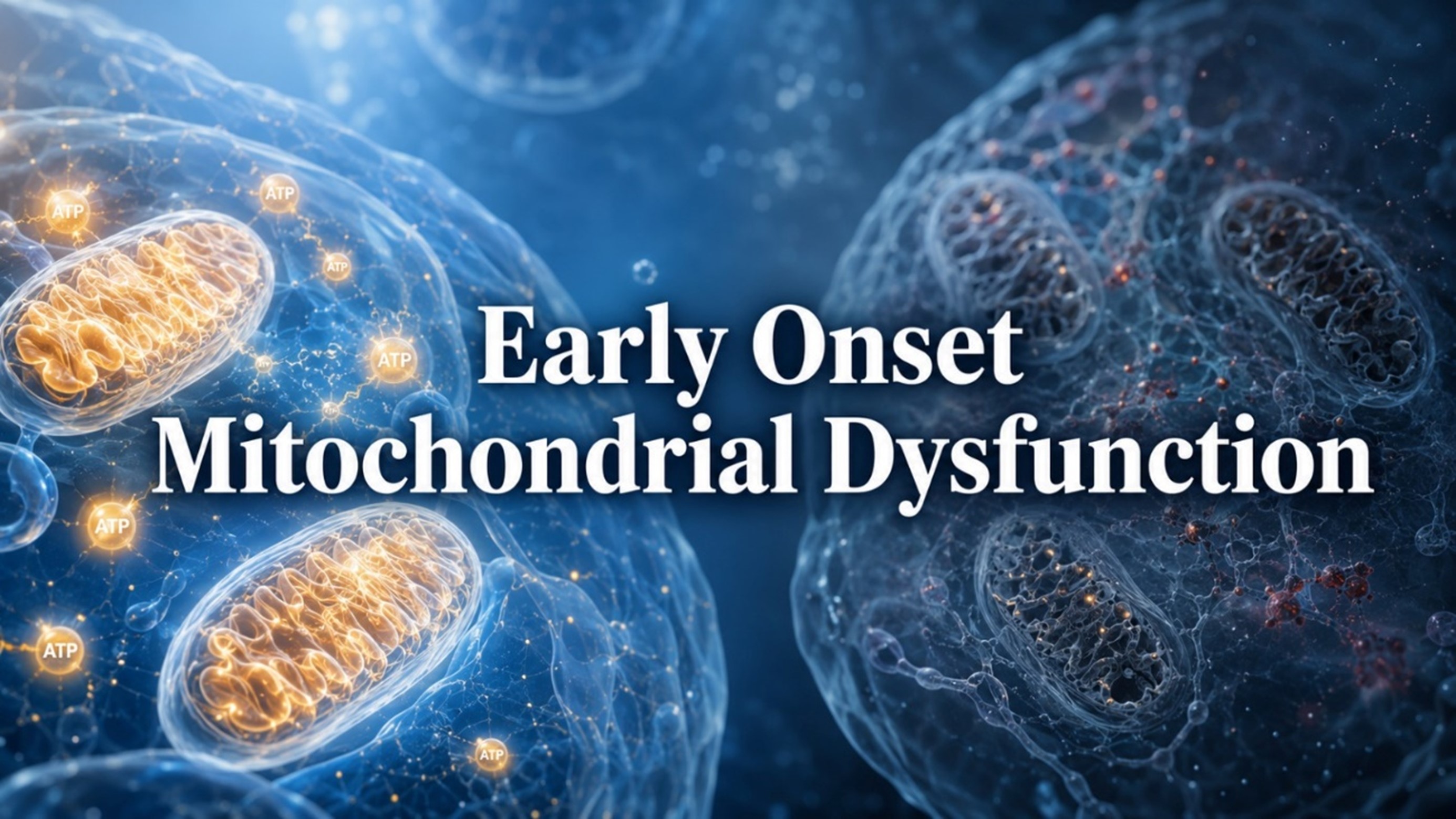
They wait. They think aging happens at 65 and you deal with it then. But the processes that determine whether you’re independent at 75 or in assisted living at 70 start in your 30s, 40s, and 50s. Studies show mitochondria start degrading early in life, even decades before a serious chronic disorder is diagnosed.
When I was 50, I knew I needed to change but didn’t. At 60, I hit the wall, and at 61, I almost died and spent the next decade suffering. I used myself as a guinea pig and discovered a protocol to alleviate the well of suffering I was going through, but it was not until I was seventy that I became an emergency cardiovascular patient; again, I was saved by the natural protocol I had discovered in my 60s.
It does no good to obsess over lifespan while ignoring healthspan—the period of life spent in good health. Living to 90 means nothing if you spend the last 15 years in decline and dependence. At 74, I’m far healthier and happier than I was at 60.
Too many look for silver bullets. There are none. The boring stuff—daily movement, resistance training, sleep, metabolic discipline—compounds over decades in ways that no peptide or supplement can match. Breathing retraining is on top of the list.
Financial ruin in old age is bad. But losing your agency—needing someone to bathe you, drive you, manage your medications, make your decisions—that’s a different kind of loss. One that money alone can’t solve. The only real insurance against that is the body you build now. Not tomorrow. Not when the first warning signs appear. Now.
The greatest retirement plan is excellent health; it’s not a slogan. It’s the central organizing principle for anyone who’s actually thinking clearly about what the next 30-40 years will look like.
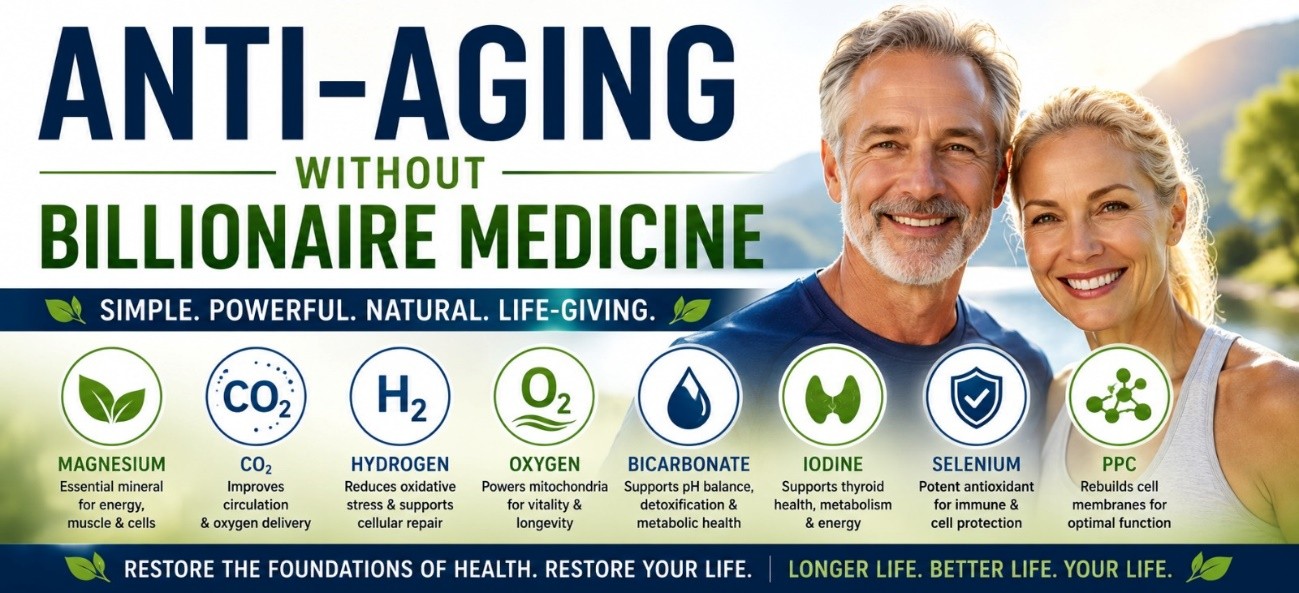
I have dealt extensively with anti-aging protocols through the years. Read here, here, and here. Those seeking health and elegant aging must swim upstream against a flood of degradation in human consciousness and physical condition. But swim we must. Though some pharmaceuticals can help in general, they lead to eventual ruin.
For me, the king of anti-aging is hydrogen/oxygen inhalation; I mention it last because it is not low-cost, though if you consider what it does, it is. The first company that sent me a machine to test 8 years ago sells a powerful 3000ml machine for $10,000. On this site, you can see a better machine delivered to your door for 3,700, better because it has automatic water intake and drainage, something no other machine has. My book on Hydrogen Medicine defines the most effective form of this therapy as combining hydrogen with oxygen and CO2.

I turn 74 tomorrow and look and feel younger than I did at 60, not only because of my open heart (those in their hearts stay young forever) and the love I share with my wife, family, and the people we work with, but because of hydrogen. Still no wrinkles on my face.
Dr.Sircus is a reader-supported publication. To receive new posts and support my work, consider becoming a free or paid subscriber.
Subscribe now

comments