


Doctors and health officials are pretty stupid. They will not open their mouths or their brains to one of the simplest tests that exist in the world of medicine: pH strips, which are dirt cheap, available everywhere online, and give you an early warning system for the overall condition of your body and your vulnerability to getting cancer or dropping dead prematurely from other conditions. It really could not be simpler. But let’s focus on cancer, its prevention, and its treatment.
Immunosenescence is one of the important biological changes that leave older adults increasingly vulnerable to cancer. Yet immune aging cannot be understood solely through chronological age. The chemical environment surrounding immune cells determines how effectively they function. Research demonstrates that acidic tissue conditions can suppress cytotoxic T-cell activity, disrupt mitochondrial and metabolic pathways, inhibit immune-cell proliferation, and favor immunosuppressive populations.
The decline of T-cells with age—known as immunosenescence—
is a primary driver of the increased risk of cancer in older adults.
These effects are particularly pronounced in the acidic microenvironment surrounding many solid tumors, where malignant cells gain a survival advantage while immune defenses are weakened. Recent investigations into proton-sensing receptors such as GPR65 reveal that tissue acidity can actively direct immune behavior. The emerging picture is that acid-base physiology deserves a far more prominent place in discussions of immune aging, cancer surveillance, and the biological conditions that permit malignancy to progress.
Of course, the reason doctors, medical organizations, and public health officials want to remain dumb on this subject is that the most basic treatment for acid conditions is baking soda, sodium, potassium, and magnesium bicarbonates, and they would not want you taking these natural substances, would they? Bicarbonates are the fastest and really the only way to effect radical changes in pH, the only way to flush out acids from the body, which means toxicity or the process of detoxification. But that is too simple, too cheap, and there is no money in it for doctors or pharmaceutical companies.
Everyone knows, except doctors of course, that all biological life is pH-sensitive, which applies both inside and outside cancer cells. The cells’ surroundings, known as their microenvironment, contribute to how cancer occurs and how it spreads. The interactions between cancer cells and acidic micro- and macroenvironments create a context that promotes tumor growth and protects them from immune attack. Living tissue continually produces acid. Because of cellular respiration (yielding CO2 and lactic acid), most cells are net acid producers; hence, intracellular pH (pHi) tends to fall. This is basic physiology, but most doctors have not taken that course.

Research published in the Clinical Journal of the American Society of Nephrology found that having balanced bicarbonate levels in your body reduces the chances of an early death. The study examined data compiled in the Health, Aging and Body Composition Study for 2,287 participants.
Study author Dr. Kalani Raphael, an associate professor and nephrology and hypertension specialist at the University of Utah, and colleagues investigated pH, carbon dioxide, and bicarbonate in relation to long-term survival. According to the University of Utah, “Critically ill patients with severe acid-base abnormalities have a very low likelihood of surviving their illness.”
Dr. Raphael found that low levels of bicarbonate are linked to an increased risk for premature death by 24 percent. “What we found was that generally healthy older people with low levels of bicarbonate had a higher risk of death,” Raphael said. The study’s findings assist clinicians in better assessing patients’ risk of premature death by analyzing their blood bicarbonate concentrations more closely, something doctors never do, but you can do for pennies in your own home with pH strips.
Our body pH is very important because pH controls the speed of our body’s biochemical reactions. It does this by controlling the speed of enzyme activity and the speed at which electricity moves through our body; the higher (more alkaline) the pH of a substance or solution, the more electrical resistance it has. Therefore, electricity travels more slowly at higher pH. If we say something has an acidic pH, we are saying it is hot and fast. Alkaline pH, on the other hand, is biochemically slow and cool.
How Acidic Conditions Accelerate Immune Aging
(Immunosenescence) and Increase Cancer Vulnerability
An acidic tissue environment suppresses immune defenses, disturbs immune-cell metabolism, and promotes several processes associated with immunosenescence. This is particularly important in older adults, whose immune systems are already experiencing changes in T-cell function, mitochondrial activity, chronic inflammation, and cancer surveillance. The central biological question is whether tissue acidosis merely temporarily inhibits immune cells or actually drives their progression toward cellular senescence.
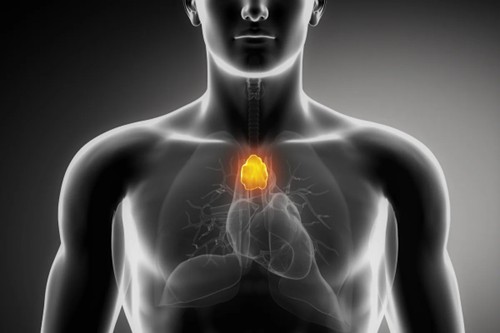
As the body ages, the thymus gland shrinks, drastically
reducing the production of new T-cells capable
of hunting down and destroying emerging tumors.
New research led by investigators at Massachusetts General Hospital (MGH) and published in the New England Journal of Medicine has uncovered evidence that the thymus is critical for adult health and may prevent cancer and perhaps autoimmune disease. “By studying people who had their thymus removed, we discovered that it is absolutely required for health. If it isn’t there, people’s risk of dying and risk of cancer is at least double.
Could emotional openness, love, and a reduced sense of threat influence
thymic function by changing the body’s chronic stress response?
This indicates that the consequences of thymus removal should be carefully considered when contemplating thymectomy,” wrote Dr. David T. Scadden, MD, senior author, director of the Center for Regenerative Medicine at MGH, and co-director of the Harvard Stem Cell Institute.
“Studies conducted at the University of Bari in Italy clearly demonstrated that a hallmark of all tumors, regardless of their origin or background, is their acidic environment. In fact, tumor progression increased with an acidic pH and hypoxia, or a low oxygen level,” writes Dr. Veronique Desaulniers. So you really do not want to be deficient in bicarbonates, and the easiest way to find out is with inexpensive pH strips, not blood tests.
Researchers reported that bicarbonate increases tumor pH (i.e., makes it more alkaline) and also inhibits spontaneous metastases (Robey 2009). They showed that oral sodium bicarbonate increased the pH of tumors (which are already alkaline) and also reduced the formation of spontaneous metastases in mice with breast cancer. It also reduced the rate of lymph node involvement.
“The results of a study suggest that tumor cells do, indeed, perform niche engineering by creating an acidic environment that is non-toxic to the malignant cells but, through its negative effects on normal cells and tissue, promotes local invasion.” Internally, cancer tumors are alkaline, but they export acidity as lactic acid.
Tumor invasion did not occur into regions with normal or near-normal pH. Immunohistochemical analyses revealed that cells in the invasive edges expressed the glucose transporter GLUT-1 and the sodium-hydrogen exchanger NHE-1, both of which were associated with peritumoral acidosis. In support of the functional importance of our findings, oral administration of sodium bicarbonate was sufficient to increase peritumoral pH and inhibit tumor growth and local invasion in a preclinical model, supporting the acid-mediated invasion hypothesis.
Many diseases can be prevented or treated by managing the delicate pH balance of the body’s fluids because all physiological processes are sensitive to changes in pH. Sodium bicarbonate (baking soda) is the least expensive, safest, and perhaps most effective cancer medicine there is. Few understand how deep the rabbit hole goes with bicarbonate, but a good starting point is to realize that it is a different form of CO2. Few understand that:
CO2, in the form of bicarbonate, is directly involved in “light reactions.” This “bicarbonate effect” influences molecular processes. The role of carbon dioxide (CO2) or bicarbonate in photosynthesis was clear to researchers from the very beginning. Bicarbonate in plants probably links cell metabolism to photosynthetic electron flow.
Another simpler way of looking at bicarbonate is to see that it does to cancer what it does to smells in the refrigerator. Its anti-stink bomb effect goes deep, ridding us of all that is out of place inside us. It cleans us and our refrigerators of rot, and what better way to understand cancer? Cancer cells are rotten, sick cells slowly killing us, choking us of our life energy as they eat us out of house and home.
The first lesson in our understanding of why sodium bicarbonate is a necessary and possibly the most important medicine for cancer patients comes from Dr. Yandell Henderson. In 1940, he wrote, “Another natural misconception is that oxygen and carbon dioxide are so far antagonistic that a gain of one in the blood necessarily involves a corresponding loss of the other. On the contrary, although each tends to raise the pressure and thus promote the diffusion of the other, the two gases are held and transported in the blood by different means; oxygen is carried by the hemoglobin in the corpuscles, while carbon dioxide is combined with alkali in the plasma. A sample of blood may be high in both gases or low in both gases. Under clinical conditions, low oxygen and low carbon dioxide generally occur together. Therapeutic increase of carbon dioxide, by inhalation of this gas diluted in air, is often an effective means of improving the Oxygenation of the blood and tissues.”
T Cells are the Marines of your Immune System
“Lactic acid paralyzes the T cells, and that helps leukemia cells to escape from the control by the immune system,” says Dr. Robert Zeiser, a transplant physician at the University of Freiburg in Germany. Bicarbonate can play a significant role in cancer treatments because cancer cells and tumors produce excessive amounts of lactic acid. One reason bicarbonate is such a miracle medicine is that it neutralizes lactic acid.
Hatfield et al. report that T cells avoid entering the hypoxic areas of tumors. The authors overcome this problem in mice with lung tumors by having the animals breathe supplementary oxygen. They had a higher oxygen concentration throughout the body, improving oxygenation inside the tumors, allowing immune cells to enter and attack them, and extending the animals’ survival.
Dr. Michail Sitkovsky, an immune-physiology researcher at Northeastern University, and his team found that supplemental Oxygenation inhibits the hypoxia-driven accumulation of adenosine in the tumor microenvironment and weakens immunosuppression. This, in turn, could improve cancer immunotherapy and shrink tumors by unleashing anti-tumor T lymphocytes and natural killer cells.
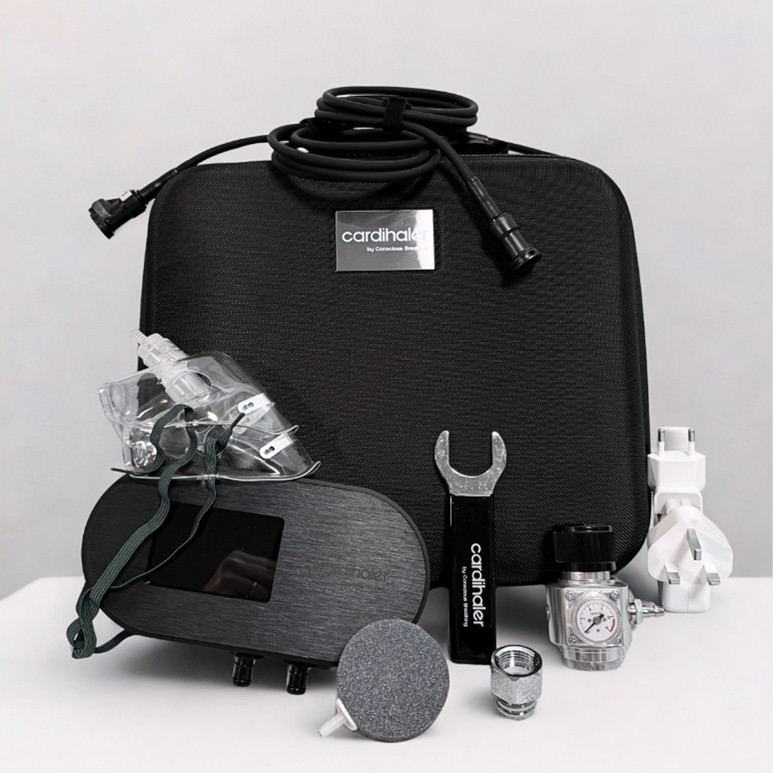
“Breathing supplemental oxygen opens up the gates of the tumor fortress and wakes up ‘sleepy’ anti-tumor cells, enabling these soldiers to enter the fortress and destroy it,” explained Sitkovsky, the Eleanor W. Black Chair and Professor of Immunophysiology and Pharmaceutical Biotechnology in the Bouvé College of Health Sciences’ Department of Pharmaceutical Sciences. However, the fastest way to increase oxygenation is to administer bicarbonates and breathe carbogen (carbon dioxide inhalation therapy).
Dr.Sircus is a reader-supported publication. To receive new posts and support my work, consider becoming a free or paid subscriber.
Subscribe now

comments